Lab Members

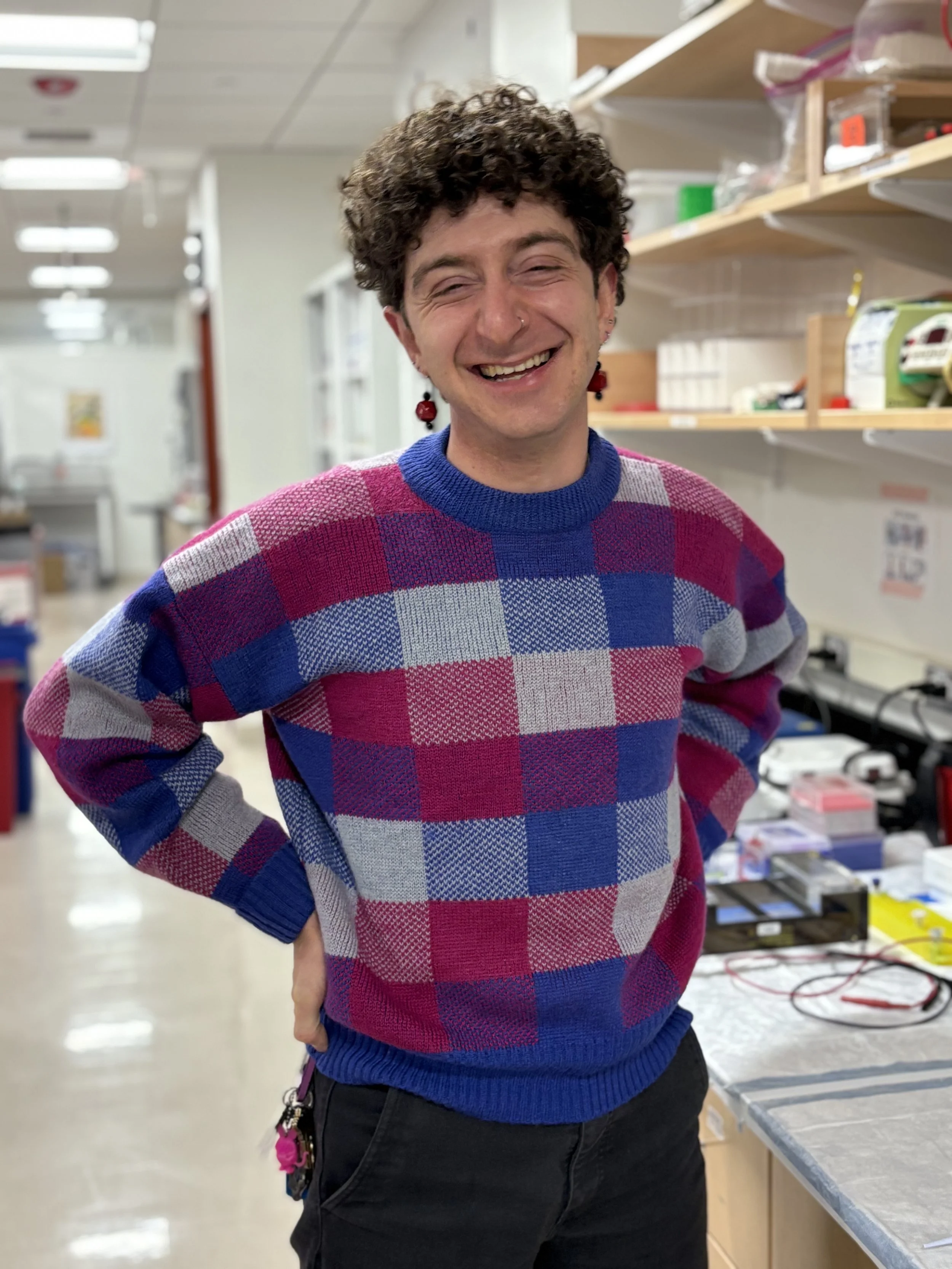
Marty studies how the germ plasm co-opts conserved cell-division machinery to form the primordial germ cells in the syncytial fly embryo.


Christoph Gaebelein
Post-doc
Favorite fly gene name: Yippee
Christoph likes to think of cells as squishy little factories and wants to find out how they tune their physical properties in order to do what they do. To find out, he uses a mix of omics, biochemistry and dynamic imaging.



Jake
Administrative assistant
Favorite fly gene name: furry
Jake attends most of our meetings, and so is an expert in all things germ cells. He is most interested in stealing a bite of your food and belly rubs.

Badri Krishnan
Senior Lab Manager / Scientist
Favorite fly gene name: sunn
Badri is interested in understanding the interaction of Oskar and Mitochondria during embryo development. He is finding ways to disrupt this interaction using various Oskar mutants.

Kangbo Ng
Post-doc
Favorite fly gene name: squash
KangBo is studying how an organ is built from just a group of cells. Using the ovary as a model, he approaches this by viewing organogenesis as an emergent process: how do individuals (the cells) self-organize into a community (the organ), and how, in turn, does the community shape individuals to fulfill specific roles? This dynamic interplay likely underpins the remarkable precision and robustness of development.

Lake V. Palmeri
they/them
Technical assistant
Favorite fly gene name: Indy (i’m not dead yet)
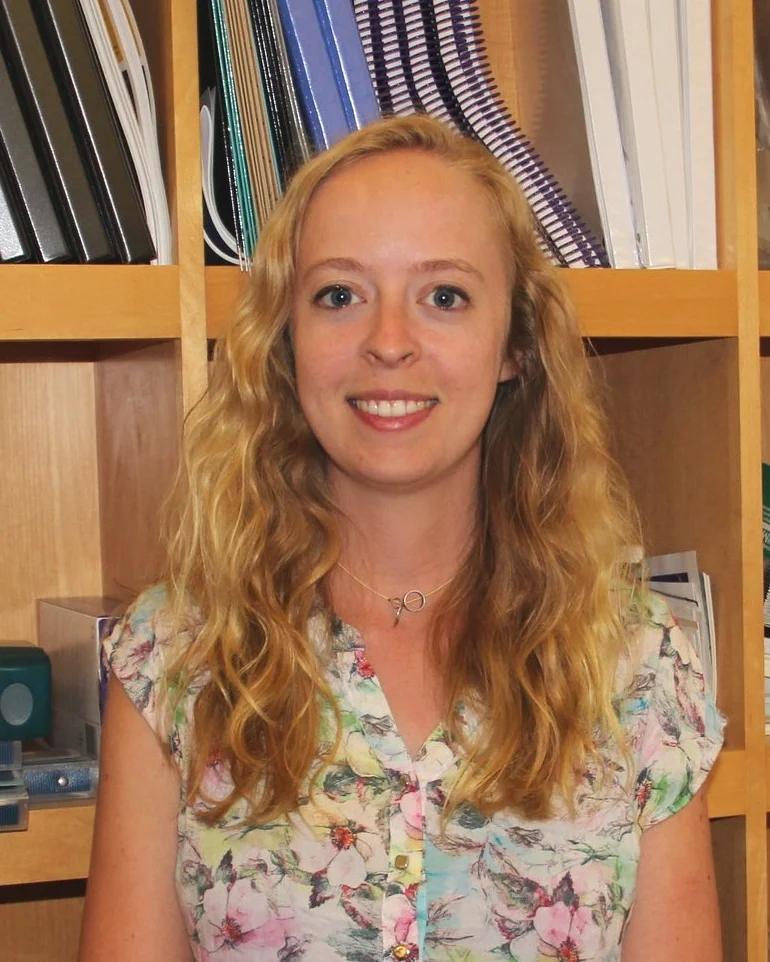


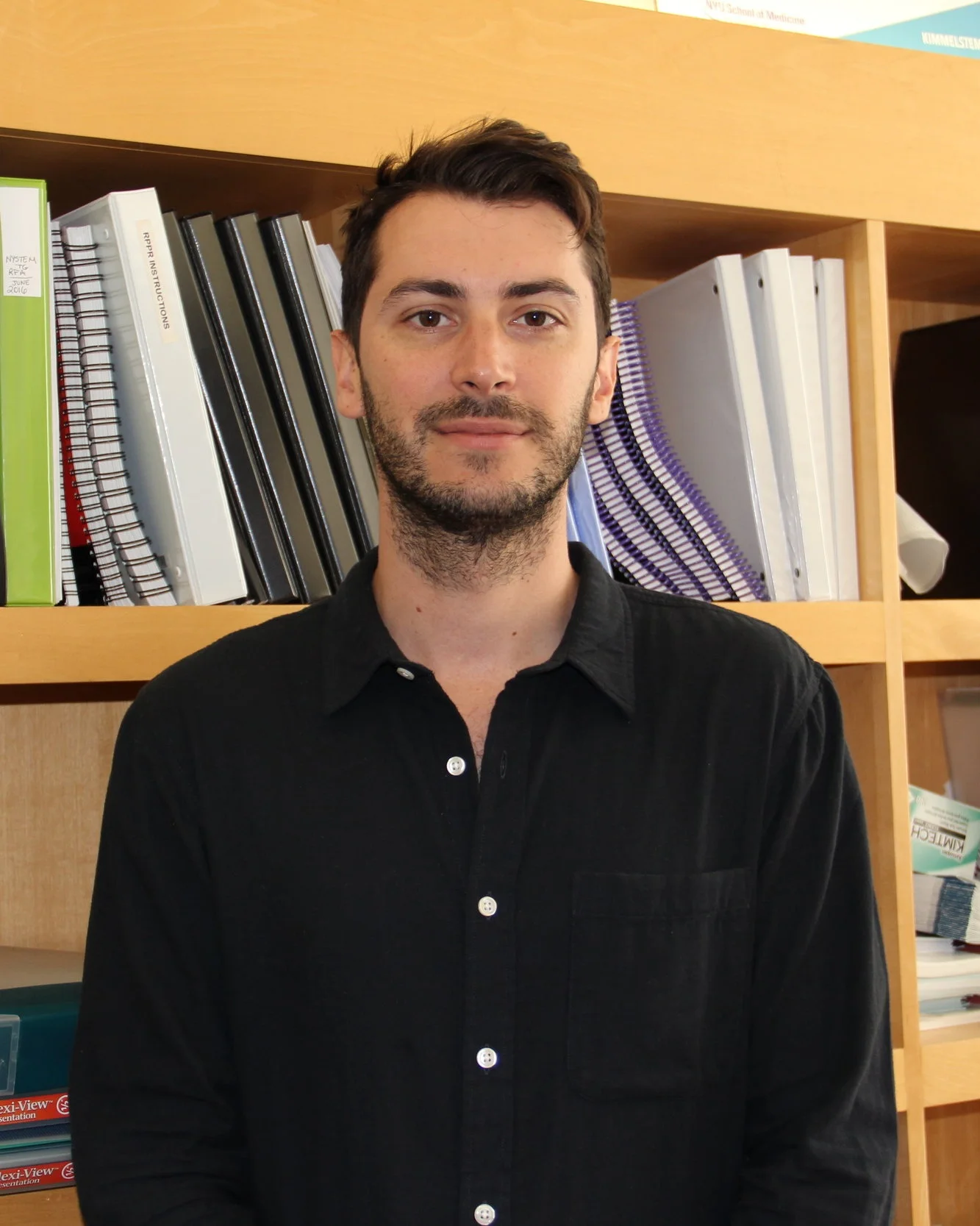
Fred Rubino
Post-doc
Favorite fly gene name: toll
frederick.rubino@nyulangone.org
How do intracellular bacteria and their hosts become interdependent? Using Wolbachia infection of Drosophila as a model system, Fred is interested in the mechanisms by which endosymbiotic bacteria manipulate eukaryotic host cells in ways that benefit both host and symbiont.


Ana Tsai
Graduate student
Favorite fly gene name: gogo (golden goal)
Ana is interested in how a maternally deposited pioneer transcription factor influences germline continuity.

Julia Wucherpfennig
Post-doc
Favorite fly gene name: sturkopf
Julia studies the intracellular bacteria Wolbachia, which, much to the annoyance of my lab mates, live in the cells of many Drosophila lines and also in insects worldwide. She uses Wolbachia as a model to understand how hosts and symbionts interact at the molecular and cellular levels.